Common Mistakes When Planning a Block Party in Beck (And How to Avoid Them)

A block party in Beck looks effortless from the sidewalk: a few folding tables, a grill, some chalk for the kids, and a street full of neighbours who somehow all brought enough potato salad. Behind the scenes it's a handful of small decisions, and most of them are easier to make a month out than the night before. The planning mistakes below show up year after year — not because anyone is careless, but because the details hide in plain sight. Fix them early, and the day stays what it should be: a long, easy afternoon.
The Permit That Gets Sorted Out on Thursday
Any event that closes a public street needs permission, and the request usually moves more slowly than people expect. Applications often ask for signatures from residents on the affected block, a designated contact person, a start and end time, and a rain date. Some towns also want to know how barricades or signs will be handled, and a few ask for notice to emergency services.
The fix is boring and effective: start four to six weeks before the date, and put one person in charge of the paperwork. Confirm everything in writing, then read the approval carefully — sometimes it says the street closes at noon, not ten, or that parking has to be cleared the night before. If there's a deadline listed, treat it as real. Rules and fees vary from one municipality to the next, so check with the town office rather than a neighbour's memory of how it worked three years ago.
Amplified Sound and the Neighbours You Didn't Ask
Music is the part of a block party people remember and the part that generates complaints. Sound carries differently between buildings, and a speaker aimed down a street can reach far past the party. Neighbours on night shifts, families with small children, and anyone who simply isn't attending still live there that day.
Decide on a quiet window before you book anything: louder music until a set hour, then something softer. Face speakers toward the party rather than the surrounding houses, and use one decent system instead of three competing ones. Give every household a note with the start and end times so nobody is caught off guard. Many towns have noise rules with set hours, so if you're unsure whether they apply to your event, ask before the day rather than after.
Assuming Insurance Is Somebody Else's Problem
Most block parties are low-risk: grills, folding chairs, a water balloon station. But the moment you add a rented inflatable, a vendor selling food, or alcohol, the risk picture changes — and so do the requirements. Some towns ask for proof of liability coverage for events on public property. Homeowners and renters policies may or may not extend to an event on a closed street, and commercial activity often isn't covered.
Ask two questions early: what does the town require, and what does your policy actually say? One phone call each. If the answers aren't clear, that's the moment to speak with a licensed insurance broker instead of guessing. If the paperwork is more than your group wants to take on, simplify: keep the event non-commercial, skip the inflatable, and leave alcohol out. If you do plan to serve alcohol, check the rules with the town first. It isn't a detail to improvise.
Food: The Potluck Trap
Potlucks fail in predictable ways. Nine people bring potato salad. Nobody brings water. The desserts sit in the sun for four hours. A sign-up sheet with categories fixes most of it: mains, sides, salads, desserts, drinks, ice. Put names next to items so people can see what's still missing.
A few habits keep the food side calm:
- Assign one person to the grill and one to drinks and ice. Grilling is a job, not a volunteer opportunity that appears at four in the afternoon.
- Ask about allergies and dietary needs on the sign-up, and label what people bring. Keep nuts off one table if children will be around.
- Plan for shade and cold storage. Perishable dishes shouldn't sit out in the heat for hours, so keep coolers iced and replenish them as the afternoon goes on.
- Bring more water than you think you need, plus a few plain options for kids and anyone who would rather not guess what's in a dish.
- Sort out trash, recycling and cleanup before the day. Line a few bins, put someone in charge of the final sweep, and thank the neighbours who stay to help.
Invitations That Only Reach Half the Block
A flyer taped to doors a week ahead reaches the people you already talk to. It misses renters, new arrivals, people who work nights, and anyone whose routine doesn't involve the front door. Use three touches: a save-the-date a few weeks out, a reminder during the week of, and a note the day before. Each one should answer the same handful of questions — when it starts, when it ends, what to bring, where the street is closed, who to contact, and what happens if it rains.
Deliver paper copies to every door on the block, including apartments and units above shops. Ask two or three people to knock on doors rather than posting everything, especially for households that just moved in. A personal invitation is often the difference between someone watching from a window and someone pulling up a chair.
Small Things That Turn Into Headaches
Roles
"Everyone helps" usually means nobody helps. Name a lead for the day, plus a setup crew and a cleanup crew. Two hours of one person's time, agreed in advance, beats five people assuming someone else has it covered.
Money
Decide up front whether anyone is collecting money. If you're buying shared items such as ice, plates, or the permit fee, agree on how costs split and keep a simple record. A small, transparent request with a clear purpose causes far less friction than a surprise bill afterwards.
Rain
Have a rain date and a way to tell everyone about it. A group chat works only if the people who aren't in it hear the news too.
A Short Checklist for the Final Week
- Confirm the permit and any conditions in writing, and check that barricades or signs are arranged.
- Send the reminder with times, location, what to bring, and the rain plan.
- Walk the block and tell neighbours about the quiet hours.
- Confirm who has the grill, the coolers, the tables and the bins.
- Put a contact number on the flyer and keep it with whoever is running the day.
None of this is complicated; it's just early. Get the permit moving, write down who does what, and accept that the party won't run to plan — someone will forget the ice, the music will start late, and the kids will have the best time of anyone there. Settle the decisions above before the week of the event and you'll spend the afternoon talking to neighbours instead of solving problems. Where your plans involve alcohol, vendors, or anything requiring formal approval, confirm the details with the town and, where it applies, with a qualified professional before you commit.
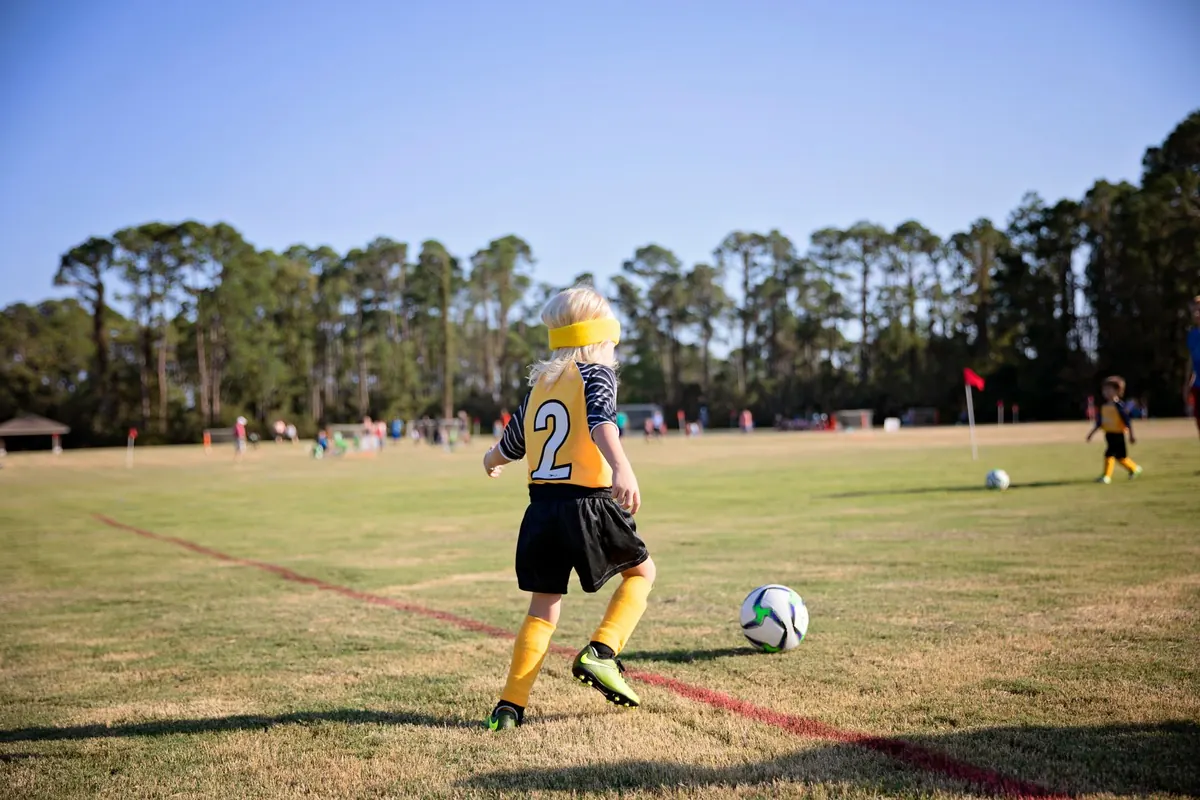
Photo: cecigre / Pixabay